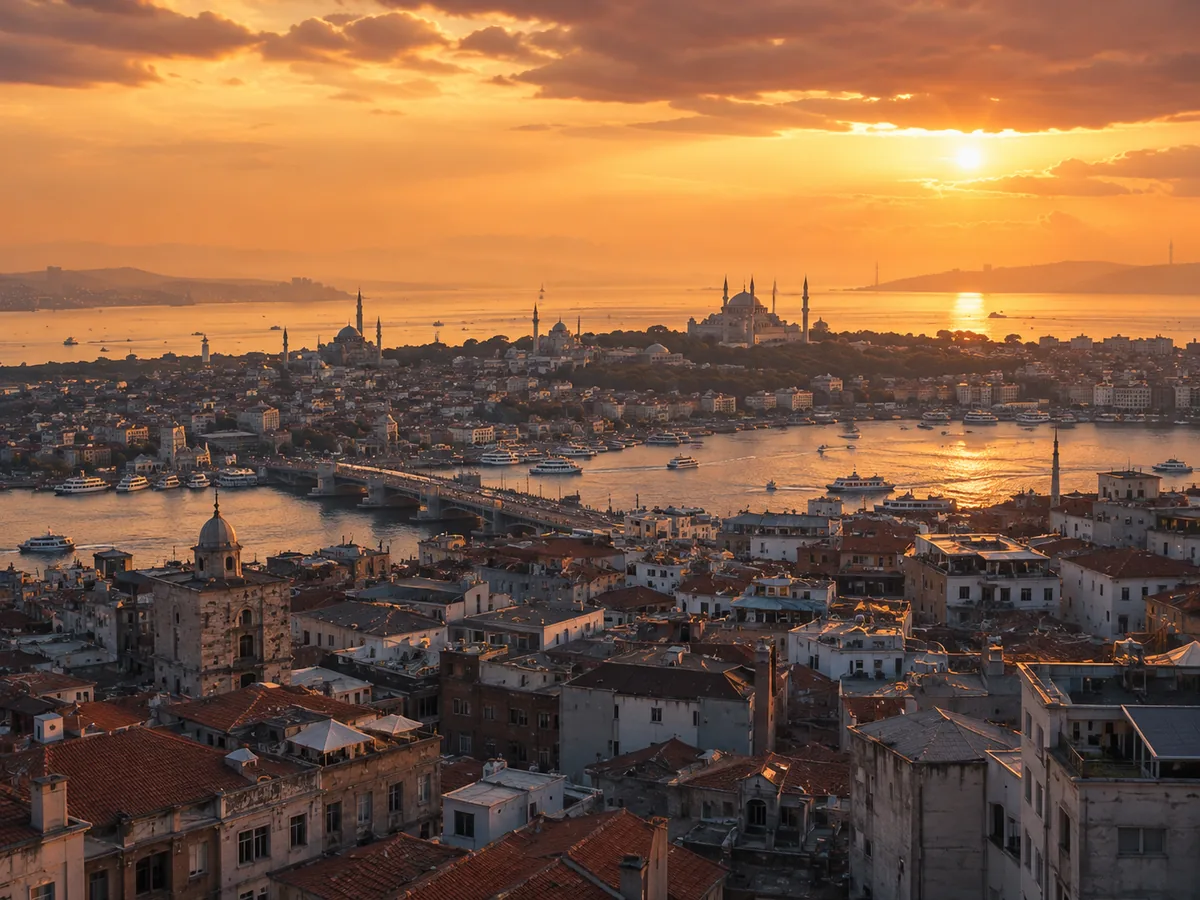
Why Turkey is a serious contender
Two things happened over the past decade that put Turkey in the top tier of medical tourism destinations. First, aggressive public investment created a wave of new hospital construction with equipment specifications that match or exceed premium US clinics. Second, the collapse of the Turkish lira relative to the US dollar has pushed prices to among the lowest in the developed world for high-quality medical care.
The country now has more JCI-accredited hospitals than any other in the world (over 40, per JCI's public directory). While that's a hospital-level credential and not a per-clinic guarantee, it speaks to the depth of the infrastructure. For refractive surgery specifically, Istanbul's Etiler, Sisli, and Nisantasi neighborhoods concentrate high-volume clinics that see thousands of international patients annually.
Regulatory framework
Turkey's Ministry of Health regulates all medical practice. Refractive surgeons must be board-certified ophthalmologists and licensed by the Turkish Ophthalmological Society. Turkey participates in the European Union of Medical Specialists (UEMS) framework, so many Turkish ophthalmologists hold EBO (European Board of Ophthalmology) certification — a credential recognized across Europe.
JCI-accredited hospitals in Turkey with strong ophthalmology programs include Acibadem Maslak (Istanbul), Memorial Sisli (Istanbul), Anadolu Medical Center (Kocaeli), and Medical Park network hospitals. As always, JCI accreditation applies to the hospital as an institution — verify individual surgeon credentials separately.
Where LASIK happens in Turkey
Istanbul
The primary destination. Etiler, Levent, and Nisantasi on the European side host the largest concentration of premium refractive clinics. Istanbul offers direct flights from most major North American cities including nonstop from New York (JFK, EWR), Boston, Washington DC, Chicago, Miami, Los Angeles, and Houston via Turkish Airlines. Flight time from New York is about 10 hours.
Ankara
Smaller sector but home to university-affiliated academic programs including Hacettepe University's ophthalmology department. Less common for medical tourism given Istanbul's dominance but a legitimate option if you have specific academic clinic requirements.
Antalya
Mediterranean coast city with a growing medical tourism sector attached to its resort infrastructure. Popular with European patients combining LASIK with a beach trip.
Procedure availability
Turkey's top clinics offer the full spectrum:
- LASIK — standard, custom wavefront, and topography-guided (particularly Contoura Vision, the topography-guided Alcon platform, is common)
- PRK — universally available
- SMILE — Turkey has one of the highest concentrations of Zeiss VisuMax platforms outside Germany itself. SMILE volume in Istanbul rivals any city globally.
- ICL (EVO-ICL) — widely available including toric ICL variants for high astigmatism
Recovery logistics
The standard package for international LASIK patients in Istanbul often includes airport transfer, 3–5 nights in a nearby 4-star hotel, all consultations and follow-ups, and translator services if needed. This is baked into how the Turkish medical tourism sector operates and is one of its practical advantages over less-developed destinations.
Recommended stay:
- LASIK / SMILE: 5–7 days (with time for sightseeing on days 4–5)
- PRK: 10–14 days due to longer surface recovery
Accommodation costs in Istanbul run $80–$220 per night at mid-tier hotels. Uber and BiTaksi are the standard ride-share options.
Language and communication
English fluency in Istanbul's premium medical sector is high and consistent. Most international-facing clinics have dedicated English-speaking patient coordinators, and surgeons at university-affiliated or EBO-certified practices typically speak English fluently. Written communication and medical records are usually available in English on request.
Getting there
US passport holders need an e-visa for Turkey (obtained online at evisa.gov.tr for about $50, processed in minutes). The e-visa is valid for 180 days from issue and allows stays up to 90 days.
Flight comparisons:
- New York (JFK / EWR) → Istanbul (IST): 10 hours (direct via Turkish Airlines)
- Los Angeles → Istanbul: 13 hours 30 minutes (direct via Turkish Airlines)
- Miami → Istanbul: 11 hours 30 minutes (direct)
- Toronto → Istanbul: 10 hours 15 minutes (direct via Turkish Airlines or Air Canada)
Who Turkey is right for
- Patients who want maximum quality-to-price ratio and don't mind a longer flight
- Anyone specifically wanting SMILE surgery — Turkey's Zeiss VisuMax density is exceptional
- Patients with high or complex prescriptions who benefit from topography-guided LASIK availability
- Travelers already planning Europe or the Middle East trips (Istanbul as a stopover)
- Patients who value the fully-managed package model with airport pickup, hotel, and translator built in
Where Turkey falls short
- Long flight distance from North America (10+ hours from the East Coast)
- Currency and payment infrastructure is more complex than in Latin America (banking systems are excellent, but foreign card acceptance varies)
- Political and currency volatility can occasionally affect pricing between initial quote and procedure date — get quotes locked in USD in writing
- Extreme discount packages (all-in for under $600) advertised online are almost always red flags — premium clinics don't compete at that level
2026 pricing snapshot
Typical clinic package prices in USD, current as of Q3 2026. These are ranges from destination hospitals across the mid-to-upper clinic tier — not quotes. Actual pricing depends on your prescription, procedure choice, and clinic reputation.
| Procedure | Both eyes |
|---|---|
| LASIK (both eyes) | $1,200 (typical) · $800–$1,600 range |
| PRK (both eyes) | $1,050 (typical) · $700–$1,400 range |
| SMILE (both eyes) | $1,800 (typical) · $1,500–$2,300 range |
| ICL (both eyes) | $3,100 (typical) · $2,700–$3,800 range |
Prices reflect straightforward moderate-prescription cases (myopia −2.00 to −6.00 D). Custom wavefront, topography-guided, and complex prescriptions typically add 15–25%.
Frequently asked questions
Is LASIK in Turkey safe?
At vetted premium clinics, yes. Turkey has more JCI-accredited hospitals than any other country in the world and strong regulatory oversight of ophthalmology. The trap to avoid is the wave of aggressive online marketing offering all-inclusive LASIK for under $600 — these are typically clinics competing on price rather than clinical rigor. Legitimate premium Turkish clinics charge $1,000–$1,800 for LASIK.
How is Turkey's SMILE availability?
Excellent. Turkey has one of the highest concentrations of Zeiss VisuMax femtosecond platforms outside Germany. SMILE surgery volume in Istanbul rivals any city globally. If you're specifically a SMILE candidate, Turkey is one of the top three destinations to consider.
What's included in Turkish LASIK packages?
Premium packages typically include: pre-op consultation and testing, the procedure itself, all medications, 3-5 nights hotel accommodation, airport transfers, and English-speaking coordinator support. Not included: flights, extended stays beyond the medical window, upgrade procedures like custom wavefront, and any post-return-home follow-up care.
Do I need a visa for Turkey?
US passport holders need an e-visa, obtained online at evisa.gov.tr for about $50. It's processed in minutes and valid for 180 days from issue with a 90-day maximum stay. Canadians also need an e-visa. Bring your passport with at least 6 months remaining validity.
How does Turkey compare to Colombia?
Turkey is slightly cheaper on average for premium care, has better SMILE availability, and offers more polished managed-package experiences. Colombia has shorter flight times for East Coast US patients, is Western Hemisphere (relevant for time zone and cultural familiarity), and has strong Spanish-speaking infrastructure. Both are top-tier.
Is Istanbul safe for medical tourism?
Yes. Istanbul is one of the world's largest cities and its medical district neighborhoods (Nisantasi, Etiler, Sisli, Levent) are safe, prosperous areas with strong tourist and business infrastructure. Standard urban precautions apply. Consult the US State Department for current guidance before travel.
Get a personalized shortlist for Turkey.
Tell us your prescription, budget, and travel window. We'll come back with two or three vetted clinics that fit — with typical pricing, surgeon credentials, and next-available consult dates.
Message us on WhatsApp