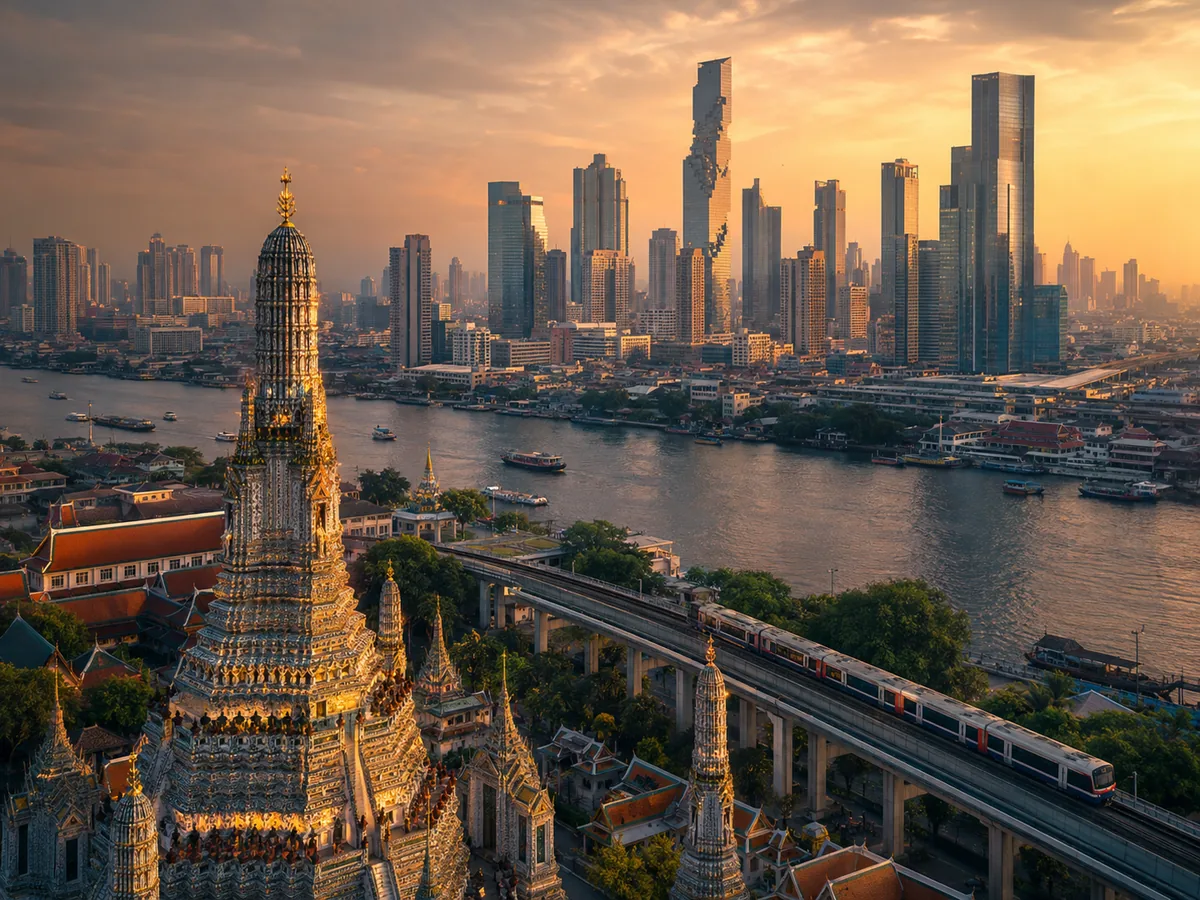
Thailand's medical tourism model
Thailand invented the modern integrated medical tourism model that other countries have since copied. The country's flagship hospitals — Bumrungrad International, Bangkok Hospital, and Samitivej — operate more like five-star hotels with attached tertiary medical centers than traditional hospitals. This model has been running for over three decades and the operational polish shows in every touch point.
For refractive surgery specifically, Thailand's ophthalmology programs at Chulalongkorn University and Mahidol University are internationally respected, and many senior refractive surgeons hold subspecialty fellowships from US programs like the Cole Eye Institute (Cleveland) or Bascom Palmer (Miami).
Regulatory framework
Thailand's Medical Council (Thai Medical Council) governs all physician licensing. Refractive surgeons must be board-certified ophthalmologists and typically hold Royal College of Ophthalmologists of Thailand (RCOPT) certification. This is Thailand's ophthalmology board certification and is the primary credential to verify.
Thailand has an extensive JCI accreditation footprint. Notable JCI-accredited hospitals with strong ophthalmology programs include Bumrungrad International Hospital (Bangkok), Bangkok Hospital (network of multiple JCI-accredited facilities), Samitivej Sukhumvit (Bangkok), and Bangkok Hospital Phuket. Individual LASIK-focused eye centers within these hospital groups benefit from the parent institution's accreditation infrastructure but should still be evaluated on their own equipment and surgeon credentials.
Where LASIK happens in Thailand
Bangkok
The primary destination. Sukhumvit Road, Silom, and Ratchada districts host the major hospital groups. Bumrungrad International's eye center is one of the highest-volume refractive surgery programs in Southeast Asia. Chulalongkorn University's Department of Ophthalmology is a strong academic option. The city has excellent public transit (BTS Skytrain, MRT subway) that makes clinic access easy from most tourist accommodation.
Chiang Mai
Smaller but growing medical tourism sector. Chiangmai Ram Hospital and Bangkok Hospital Chiang Mai offer LASIK services. Popular with digital nomads and long-term expats.
Phuket
Bangkok Hospital Phuket is JCI-accredited and offers refractive surgery. The advantage is combining a procedure with a genuine vacation setting. The trade-off is fewer surgeon options than Bangkok.
Procedure availability
- LASIK — standard and custom wavefront (Wavelight, Zeiss MEL 90, Alcon EX500 platforms all present)
- PRK — universal
- SMILE — available at flagship hospitals with Zeiss VisuMax platforms (Bumrungrad, Bangkok Hospital)
- ICL — EVO-ICL available with two-appointment planning
- Refractive Lens Exchange (RLE) — also widely available for presbyopia-age patients
Recovery logistics
Thailand is especially well-suited to combining LASIK with a legitimate vacation for two reasons: the hospital-hotel model means post-op accommodations and follow-ups are trivial to arrange, and the country's tourist infrastructure makes extended stays comfortable.
Standard trip length:
- LASIK / SMILE: 7–10 days (with time to enjoy Bangkok, Phuket, or a beach day)
- PRK: 14–21 days
Accommodation is exceptionally strong value: mid-range 4-star hotels in central Bangkok start around $60–$120 per night. Grab is the dominant ride-share.
Language and communication
English fluency at flagship Bangkok hospitals is universal — these institutions serve international patients as their primary business and staff coordinators, medical records staff, and most physicians are fully bilingual. Outside the flagship hospitals, English fluency drops noticeably. Stick to internationally-oriented clinics for the best communication experience.
Getting there
US passport holders can enter Thailand visa-free for stays up to 60 days (as of the current visa exemption program). Bring your passport with at least 6 months remaining validity.
Flight comparisons:
- Los Angeles → Bangkok (BKK): 17 hours (typically one-stop via Tokyo, Taipei, or Seoul)
- San Francisco → Bangkok: 16 hours 30 minutes
- New York (JFK) → Bangkok: 20+ hours (always one-stop)
- Vancouver → Bangkok: 15 hours 30 minutes (one-stop)
The flight length is Thailand's biggest logistical hurdle for North American patients. Trip is really only worth it if you're extending the stay to 10–14 days.
Who Thailand is right for
- Patients who want to combine medical care with a legitimate vacation
- West Coast US patients (shorter flights to Bangkok than East Coast)
- Anyone who values the fully-managed hospital-hotel medical tourism experience
- Patients seeking a specific subspecialty consultation (Bumrungrad's eye center handles cataract, corneal, and retinal cases along with refractive)
- Digital nomads and expats already in the region
Where Thailand falls short
- Flight distance from North America is the largest of any major LASIK destination
- Not the cheapest option — Thailand's premium clinics price closer to South Korea than to Colombia or India
- Time zone difference makes remote follow-up scheduling difficult after return
- Tropical climate can complicate PRK recovery (heat and humidity aren't ideal for surface healing)
2026 pricing snapshot
Typical clinic package prices in USD, current as of Q3 2026. These are ranges from destination hospitals across the mid-to-upper clinic tier — not quotes. Actual pricing depends on your prescription, procedure choice, and clinic reputation.
| Procedure | Both eyes |
|---|---|
| LASIK (both eyes) | $1,700 (typical) · $1,200–$2,200 range |
| PRK (both eyes) | $1,450 (typical) · $1,050–$1,900 range |
| SMILE (both eyes) | $2,200 (typical) · $1,800–$2,800 range |
| ICL (both eyes) | $3,600 (typical) · $3,000–$4,400 range |
Prices reflect straightforward moderate-prescription cases (myopia −2.00 to −6.00 D). Custom wavefront, topography-guided, and complex prescriptions typically add 15–25%.
Frequently asked questions
Is Bumrungrad International legit for LASIK?
Yes. Bumrungrad is one of the most experienced international medical tourism hospitals in the world, and its eye center handles high refractive surgery volumes. It's a JCI-accredited institution and typically employs board-certified ophthalmologists with international fellowship training. As always, verify your specific surgeon's credentials and case volume independently.
How long should I stay in Thailand for LASIK?
Minimum 7 days including consult, procedure, and required follow-ups. Most patients extend to 10-14 days to make the long flight worthwhile and combine with vacation time. PRK requires 14-21 days due to longer surface recovery.
Is Phuket a good place for LASIK?
Bangkok Hospital Phuket is JCI-accredited and legitimate for refractive surgery, but the surgeon selection is much narrower than Bangkok. If your primary goal is combining LASIK with beach recovery, do the procedure in Bangkok and take a domestic flight to Phuket or Krabi for the recovery week.
Do Thai LASIK surgeons speak English?
At flagship international hospitals (Bumrungrad, Bangkok Hospital, Samitivej), English fluency is universal for both surgeons and patient coordinators. Outside these facilities, English fluency drops significantly. Stick to internationally-oriented clinics for the best experience.
Can I get LASIK and recover on the beach?
Yes but with caveats. Do the procedure in Bangkok, complete the 24-hour post-op check, then fly to a beach destination for the extended recovery. Avoid direct sun exposure to your eyes for the first two weeks, wear the wraparound sunglasses your clinic provides, don't swim for at least a week (some protocols say two), and avoid saltwater or chlorinated pools until cleared.
What's the total cost including travel from the US?
For a Bangkok LASIK trip: $1,700 for the procedure + $1,000-1,400 for flights (from the West Coast, more from East Coast) + $700-1,100 for 7 nights hotel and meals. All-in typically $3,400-4,200. If you extend to make it a vacation, the additional cost is largely offset by Thailand's low daily expenses.
Get a personalized shortlist for Thailand.
Tell us your prescription, budget, and travel window. We'll come back with two or three vetted clinics that fit — with typical pricing, surgeon credentials, and next-available consult dates.
Message us on WhatsApp