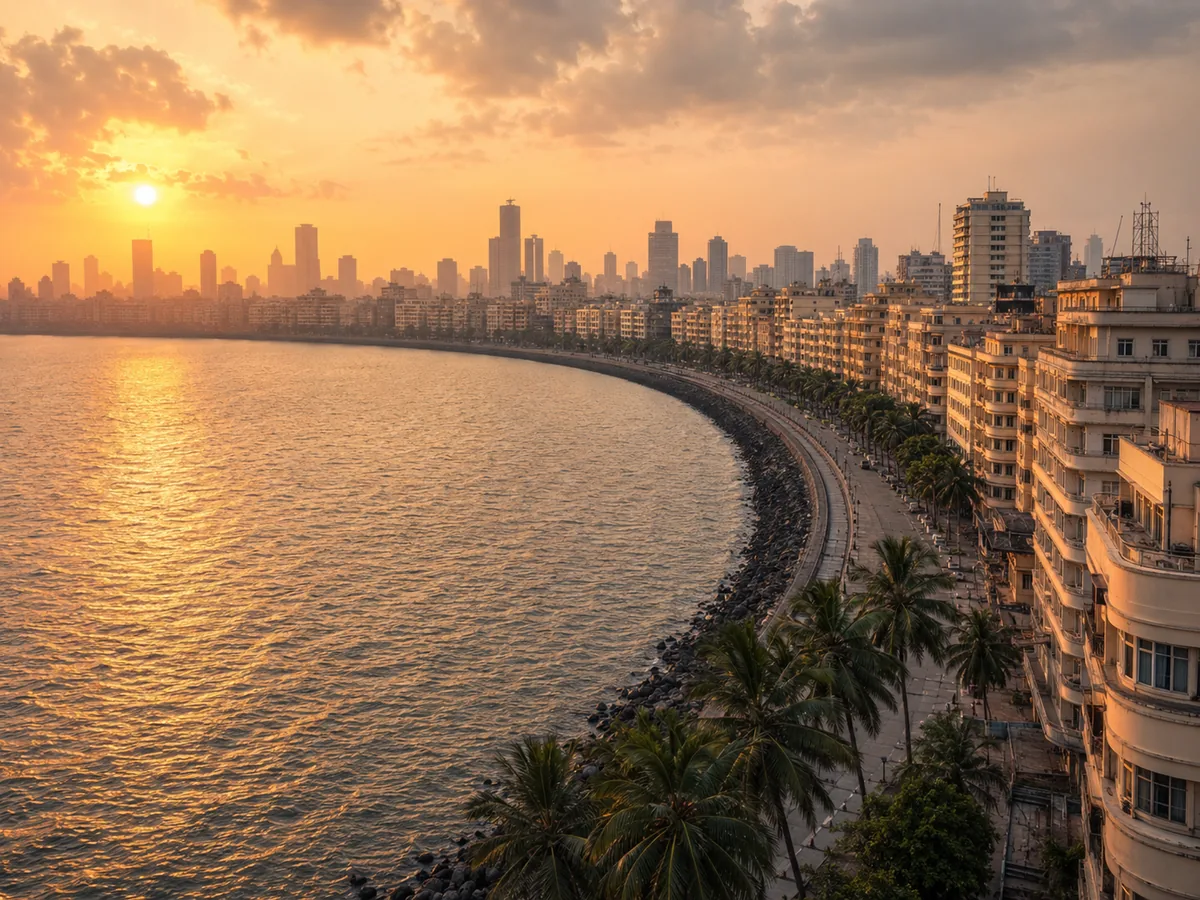
India's scale advantage
India runs the largest refractive surgery market in the world by volume. The top three eye care networks — L V Prasad Eye Institute, Aravind Eye Care System, and Narayana Nethralaya — together perform an astonishing number of procedures annually. That scale has three consequences: individual surgeons develop enormous case experience, equipment costs are amortized across huge volumes making pricing extremely competitive, and hospital-level infrastructure is genuinely world-class at the top of the market.
At the same time, India has among the widest quality distributions of any major destination. Bargain-basement clinics advertise LASIK for prices that don't make sense at any legitimate quality standard. Vetting matters more here than almost anywhere else.
Regulatory framework
India's Medical Council of India (now the National Medical Commission, NMC) governs physician licensing. Refractive surgeons must be MD or MS in Ophthalmology and typically hold additional fellowship training. The All India Ophthalmological Society (AIOS) is the primary specialty organization.
JCI accreditation is common at India's premium hospitals. Notable JCI-accredited institutions include Apollo Hospitals (multiple locations), Fortis Healthcare (multiple locations), Wockhardt Hospitals, and specific eye care networks like L V Prasad Eye Institute (Hyderabad) and Aravind Eye Care System (Madurai and other locations). The National Accreditation Board for Hospitals and Healthcare Providers (NABH) provides an additional India-specific accreditation layer.
Where LASIK happens in India
Mumbai
The country's financial capital and a major medical tourism hub. Premium refractive clinics concentrated in Bandra, Andheri, and South Mumbai. Wockhardt Hospitals, Kokilaben Dhirubhai Ambani Hospital, and Nanavati Max Super Speciality Hospital all have significant ophthalmology programs.
Delhi / Gurgaon
Deep infrastructure with Apollo, Fortis, and Max Healthcare networks all operating major hospitals. Centre for Sight and ICARE are established refractive-surgery-focused networks.
Bangalore
India's tech capital, with strong medical infrastructure supporting the international expat community. Narayana Nethralaya's ophthalmology center is one of the most respected in the country.
Chennai
Home to Sankara Nethralaya, one of India's most respected non-profit eye care institutions with international patient services and strong refractive surgery credentials.
Hyderabad
L V Prasad Eye Institute is headquartered here and is one of the most academically respected eye care networks in the world. Publishes prolifically in international ophthalmology journals.
Procedure availability
- LASIK — standard, custom wavefront, Contoura topography-guided all universally available at premium clinics
- PRK / LASEK / Epi-LASIK — multiple surface variants available
- SMILE — India was among the earliest adopters of the VisuMax platform outside Germany; SMILE case volume is extremely high at top networks
- ICL — EVO-ICL and toric variants widely available
- Refractive Lens Exchange (RLE) — standard offering
Recovery logistics
Recommended stay length:
- LASIK / SMILE: 5–7 days
- PRK: 10–14 days
India's tropical climate makes the winter months (November through February) the most comfortable time to travel for medical procedures. Summer heat and monsoon humidity add discomfort to recovery periods.
Accommodation at business-district hotels in Mumbai, Delhi, and Bangalore runs $70–$180 per night for mid-range 4-star. Uber and Ola both operate reliably. Many premium hospitals arrange nearby serviced apartments or hotel packages for international patients.
Language and communication
English is one of India's official languages and is universally used in medical, business, and hospitality contexts at premium institutions. English fluency is not just present but is essentially the default professional language. This is a genuine advantage over most other Asian LASIK destinations.
Getting there
US passport holders need an e-visa for India (available at indianvisaonline.gov.in). The e-Tourist Visa costs about $25–$100 depending on validity period and is typically approved in 72 hours. Bring your passport with at least 6 months validity.
Flight comparisons:
- New York (JFK / EWR) → Mumbai (BOM): 15 hours 30 minutes (direct via Air India)
- New York → Delhi (DEL): 15 hours (direct via Air India or United)
- San Francisco → Bangalore: 17+ hours (typically one-stop)
- Toronto → Delhi: 15 hours 30 minutes (direct via Air Canada or Air India)
- Chicago → Delhi: 15 hours (direct via Air India or United)
Who India is right for
- Patients who want the lowest cost among premium-quality destinations
- Anyone with existing family or business connections in India (removes accommodation and logistics costs entirely)
- Patients with high or unusual prescriptions — India's academic centers see extraordinary case diversity
- Patients specifically wanting SMILE at the highest-volume centers globally
- NRIs (Non-Resident Indians) traveling for family visits who can combine LASIK with the trip
Where India falls short
- Long flight distance from North America
- The widest quality distribution of any major destination — strict vetting is essential
- Tropical climate can be uncomfortable for post-op recovery in summer months
- Visa requirement adds a step (though the e-visa process is straightforward)
- For patients unfamiliar with India, initial cultural adjustment can add stress to an already high-stakes medical trip
2026 pricing snapshot
Typical clinic package prices in USD, current as of Q3 2026. These are ranges from destination hospitals across the mid-to-upper clinic tier — not quotes. Actual pricing depends on your prescription, procedure choice, and clinic reputation.
| Procedure | Both eyes |
|---|---|
| LASIK (both eyes) | $1,000 (typical) · $700–$1,400 range |
| PRK (both eyes) | $850 (typical) · $600–$1,200 range |
| SMILE (both eyes) | $1,500 (typical) · $1,200–$2,000 range |
| ICL (both eyes) | $2,700 (typical) · $2,300–$3,400 range |
Prices reflect straightforward moderate-prescription cases (myopia −2.00 to −6.00 D). Custom wavefront, topography-guided, and complex prescriptions typically add 15–25%.
Frequently asked questions
Is LASIK safe in India?
At premium academic institutions like L V Prasad Eye Institute, Aravind Eye Care, Sankara Nethralaya, and the top private networks (Apollo, Fortis, Max), safety standards are world-class. India also has more low-tier LASIK operators than most countries, so vetting matters a lot. Verify JCI or NABH accreditation and specific surgeon credentials before booking.
Why is LASIK cheaper in India?
Scale is the primary answer. India's top networks perform enormous volumes, amortizing equipment and facility costs across many more procedures than clinics in other countries. Labor costs are also lower. Neither factor implies lower quality at the top of the market — it implies lower cost per procedure at high-volume institutions.
Do I need to worry about drinking water for a LASIK trip?
Standard Indian travel precautions apply: drink bottled or filtered water, avoid ice in drinks unless from a filtered source, be cautious with raw foods. This has no direct impact on LASIK recovery but general GI distress during your recovery week is worth avoiding by simple precaution.
Is L V Prasad Eye Institute really that good?
It's one of the most academically respected eye care institutions in the world, publishes extensively in international journals, and trains ophthalmologists from many countries. Yes, it's genuinely world-class. Same is true of Sankara Nethralaya in Chennai and Aravind in Madurai.
What if I get sick during my recovery?
Premium hospitals have general medicine departments that can handle standard illnesses. Have your accommodation booked at a hotel with 24-hour front desk service and travel medical insurance in place. Most international patient coordinators at premium hospitals will help arrange non-ophthalmology care if you fall ill.
Should I go to a large city or Aravind's specialized rural centers?
For international patients, the large city premium hospitals are usually the right choice for logistics and English-language patient coordination. Aravind's specialized centers are extraordinary but are optimized for high-volume domestic care rather than international medical tourism.
Get a personalized shortlist for India.
Tell us your prescription, budget, and travel window. We'll come back with two or three vetted clinics that fit — with typical pricing, surgeon credentials, and next-available consult dates.
Message us on WhatsApp